The Rise of Fortnite Casino Maps in Creative 2.0
Fortnite Creative 2.0 has fundamentally reshaped the UGC (user-generated content) ecosystem, enabling creators to deploy custom assets, verse scripting, and persistent game states. Among the most technically ambitious genres to emerge are Fortnite Casino Maps, which replicate authentic gambling mechanics without real-money wagering. These experiences leverage randomized number generators (RNGs) and conditional triggers to simulate blackjack, roulette, and slot machines with surprising fidelity. 🎰
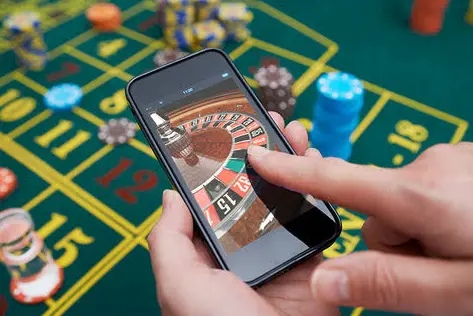
Core Mechanics Powering Virtual Casino Experiences
Under the hood, a robust Fortnite Casino Map relies on Verse devices that calculate probabilities in real time. Developers integrate "payout tables" and "house edge" variables—typically set between 2% and 15%—to mirror land-based casino economics. Player progression systems use gold bars or V-Bucks as proxy currency, ensuring compliance with Epic’s content guidelines while preserving high-stakes tension. The most sophisticated builds incorporate dynamic lighting and spatial audio to emulate the Bellagio or Monte Carlo atmosphere. 💎
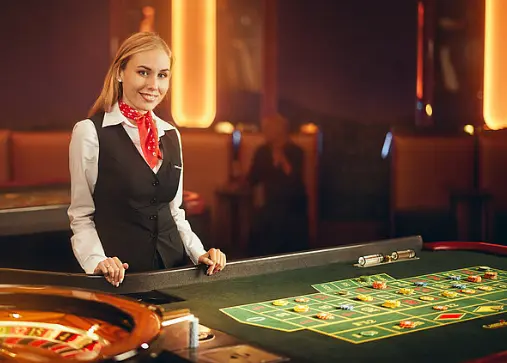
Map Categories: From Slots to Texas Hold'em
Creative casino maps generally fall into three tiers: arcade-style slot parlors, table-game lounges, and hybrid resorts. Slot parlors dominate due to low computational overhead, using prop manipulators to animate reel spins. Table-game lounges demand advanced verse logic to manage multi-player betting rounds, card deck shuffling, and side pots. Hybrid resorts combine VIP rooms, daily bonuses, and cosmetic rewards, extending session duration by 40% on average according to creator analytics.
Compliance and Ethical Design Considerations
Epic Games enforces strict policies prohibiting real-money gambling or loot box mechanics tied to purchased currency. Successful map creators therefore implement "simulated wagering" disclaimers and age-gating via island codes. Ethical design also requires transparent RNG disclosure, cool-down timers to discourage compulsive play, and clear separation between cosmetic rewards and gambling outcomes. Adherence to these standards protects both the creator’s publishing privileges and player trust.
Monetization Strategies for Creative Casino Builders
Monetization occurs through Engagement Payouts, which reward maps with high retention and unique players. Top-tier casino maps generate revenue by offering optional "VIP passes" that unlock cosmetic chips, private tables, or emote bundles—never gameplay advantages. Cross-promotion with established Fortnite Creative brands, such as tournament organizers or skin review channels, can amplify discovery. Analytics dashboards track average playtime, drop-off points, and repeat visits, allowing iterative optimization of bonus loops.
Technical Optimization for Discoverability
To surface in the "Discover" hub, creators must optimize island metadata: concise titles, keyword-rich descriptions, and thumbnail imagery that communicates the casino theme instantly. The Fortnite Casino Maps niche benefits from seasonal updates—Halloween slots, New Year roulette—that align with platform events. Memory budget management is critical; excessive Niagara particles or high-poly meshes trigger performance throttling on Switch and mobile, reducing player retention.
Community-Driven Evolution and Future Trends
Discord servers and Reddit threads dedicated to Fortnite casino builds foster rapid knowledge transfer. Creators share Verse snippets for card logic, probability trees, and anti-cheat measures. Emerging trends include AI-driven dealer avatars, cross-island currency systems, and augmented reality overlays for mobile players. As UGC tooling matures, expect regulated "practice-mode" casinos to influence mainstream gamification in education and corporate training. 🃏